Yoga For Beginners: Free Chair, Somatic & Easy Home Yoga
Let’s stop pretending this is just exercise.
You type “yoga for beginners” into a search bar, and what you get back are checklists. Mats. Leggings. Calorie burns. But what if yoga was never meant to add to your life—but instead remove everything that was false?
This isn’t about how flexible you are or how calm you can look on a screen. It’s about returning. Not just to your body—but to the part of you that existed before stress had a name. Before your back hurt. Before you forgot that breath wasn’t something you had to fight for.
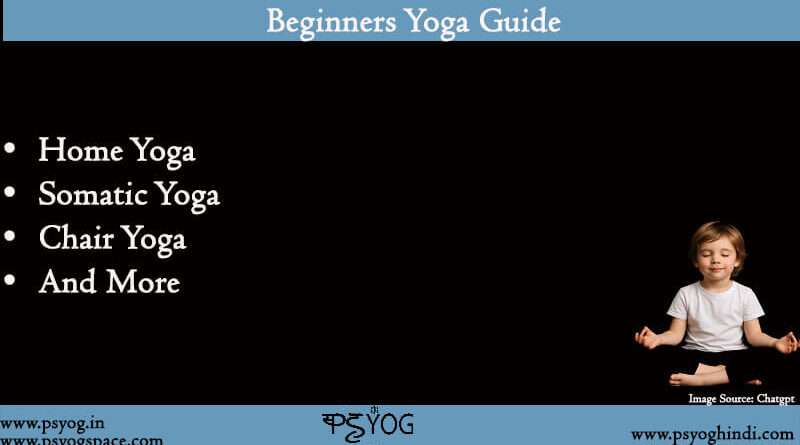
Some people start with free chair yoga for beginners because it feels safe. Some try yoga for beginners at home, needing solitude. Others drift into somatic yoga for beginners, unsure what it even means—but something about it calls. And some just want a break, something easy that doesn’t leave them more exhausted than when they started.
It doesn’t matter where you begin. What matters is that you stop trying to become someone new, and instead remember who you already are. Yoga is not a climb. It’s a surrender. The beginning is the end.
Free Chair Yoga For Beginners
You don’t have to get on the floor to be in your body. You don’t have to twist into a shape that feels more like punishment than peace. The beauty of free chair yoga for beginners is that it lets you pause. Breathe. And feel what’s going on under the noise.
A chair seems too ordinary. But so are most sacred things. A kitchen chair becomes a temple when you’re present inside it.
Yoga, in its real form, doesn’t require you to perform. It requires you to notice. That tightness in your hip? That shallow breath? That subtle ache in your lower back? Chair yoga teaches you to listen before you move.
Try This:
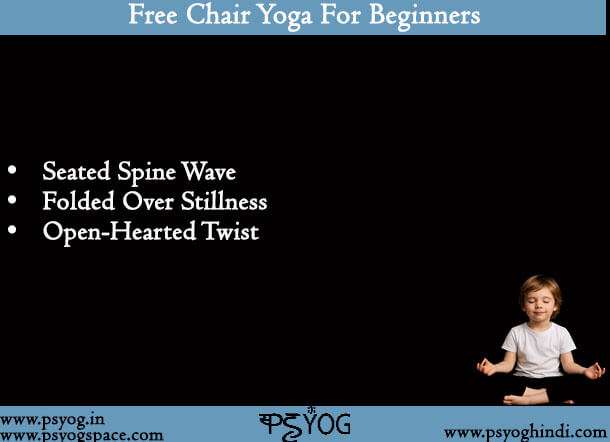
- Seated Spine Wave: Sit tall. Inhale, arch the back, lifting the chest. Exhale, round forward, chin toward chest. Keep the movement gentle. Like a tide rolling through your spine. Do it for a few minutes.
- Folded Over Stillness: Sit and gently lean forward over your thighs. Let your arms hang. Let your neck go soft. Let gravity do the work. Stay until your thoughts slow down.
- Open-Hearted Twist: Grab the side of your chair and gently twist, not for the stretch—but for the breath that expands in your ribs. Hold. Release. Repeat on the other side.
Free chair yoga for beginners isn’t about limitation. It’s about access—to yourself, your breath, your silence.
Related:
Yoga For Beginners At Home
Your house already holds your habits. That place on the couch where you scroll. The edge of the bed where you sigh in the dark. So what happens when you shift just a few feet and roll out a mat?
Suddenly, home becomes sacred.
Yoga for beginners at home is not about doing more. It’s about doing less—on purpose. You don’t need incense. You don’t need to chant (unless you want to). You just need enough space to meet yourself honestly. And that includes your resistance, your impatience, your restlessness.
Yoga’s purpose isn’t the pose. It’s preparing your body to sit, to stay, to face the silence long enough for something deeper to show up.
Try This:
- Mountain Pose: Stand with your feet grounded. Let your arms hang. Close your eyes. Notice your breath. This isn’t a warm-up—it’s a reminder of presence.
- Wall Legs: Scoot up to the wall and throw your legs up. Let your back melt into the floor. Let your stomach rise and fall like an ocean. Stay as long as it takes for your thoughts to stop yelling.
- Soft Shell (Child’s Pose): Fold your body down. Knees wide or close, arms stretched or curled. Make this a posture of letting go—not stretching.
Yoga for beginners at home reminds you that you don’t have to go anywhere to come home to yourself.
Somatic Yoga For Beginners
You might not realize how loud your body has been trying to speak.
The knots in your shoulders. The pit in your stomach. The way your jaw tightens before you even notice you’re upset. These aren’t random. They’re messages. And somatic yoga for beginners is about learning to listen again.
“Somatic” doesn’t mean slow motion. It means sensation. It means staying in your body, even when you’d rather float away. This isn’t about fixing yourself. It’s about befriending the parts that hurt.
Trauma doesn’t just live in memory. It lives in flesh. Somatic yoga isn’t therapy. But it is truth. It lets your body tell its story—without words.
Try This:
- Side-to-Side Sway: Stand or sit. Close your eyes. Let your torso gently sway. Not like a dancer—but like grass in the wind. What moves easily? What resists?
- Fetal Curl and Expand: Curl into yourself, arms around legs. Then unfold slowly. Make it feel like a breath with limbs. This is how you show your body it’s safe to open again.
- Pelvic Circles: Lie down. Knees bent. Imagine a clock under your pelvis. Slowly move through 12, 3, 6, 9. This wakes up places you didn’t know were numb.
Somatic yoga for beginners doesn’t aim to impress. It aims to connect—deeply, honestly, and without force.
Education:
Easy Yoga For Beginners
If the words “yoga” and “easy” feel like they don’t belong together, it’s only because modern yoga got distracted. Somewhere along the way, sweat and struggle became the goal. But true yoga was always about stillness. And stillness is radical.
Easy yoga for beginners doesn’t mean lazy. It means loving. It means choosing practices that nourish instead of drain. It’s for tired people. Aching people. People who don’t want to achieve—they want to remember how to breathe again.
And often, what’s easy on the body is finally easy on the soul.
Try This:
- Reclining Butterfly: Lie down. Soles of feet together, knees fall apart. Hands over your heart. Don’t move. Just breathe. Let the body open itself when it’s ready.
- Shoulder Circles: Sit or stand. Slowly roll your shoulders. Forward, then back. Feel the weight you’ve been carrying. Let it shift, even if just a little.
- Side Bend Stretch: Arms overhead. Lean gently to one side. Switch. Let this be a sigh, not a strain.
With easy yoga for beginners, you aren’t proving anything. You’re practicing something much rarer—being soft in a world that taught you to harden.
Conclusion
You came looking for yoga for beginners, and maybe you found exercises. But I hope you found something else, too—a different kind of doorway. Not one that asks you to become someone else. But one that quietly leads you back to who you already were.
Free chair yoga for beginners, yoga for beginners at home, somatic yoga for beginners, easy yoga for beginners—they’re not trends or hacks. They’re invitations.
Yoga, in its essence, is the end of you—the version of you that feels disconnected, scattered, afraid. When the body softens and the breath deepens, what’s left is presence. Stillness. God.
That’s the real practice.
Also Read:
FAQs
How should beginners start yoga?
Start where you are, with what you have. You don’t need a plan. You need space and breath. Choose two or three gentle postures. Stay a few minutes. Let it be uncomfortable. Let it be boring. Eventually, stillness will show you something faster paths never could. You’re not learning yoga—you’re unlearning distraction.
Does chair yoga really work for beginners?
Yes, deeply. Free chair yoga for beginners is more than a modified routine—it’s a doorway. For many, it’s the only way in. It meets the body where it is and lets healing happen without strain. The breath becomes the movement. The chair becomes the mat. And over time, the experience is just as rich as any floor-based practice—sometimes even more.
How to begin somatic yoga?
Slow down. That’s the only rule. Start with the breath. Then ask your body a question: What are you holding? Let your movements be curious, not choreographed. Somatic yoga for beginners is less about flexibility and more about honesty. Let sensation lead. Let stillness speak. And if emotion rises, let it. That’s the body finally talking back.