How Can an Ophthalmologist Help Manage Vision Changes Caused by Diabetes?
Diabetic eye problems usually do not have a clear precursor. One may notice that words become slightly fuzzy, it takes some time to adjust their eyes, and vision changes at some periods during a day. Other people will never know about any change.
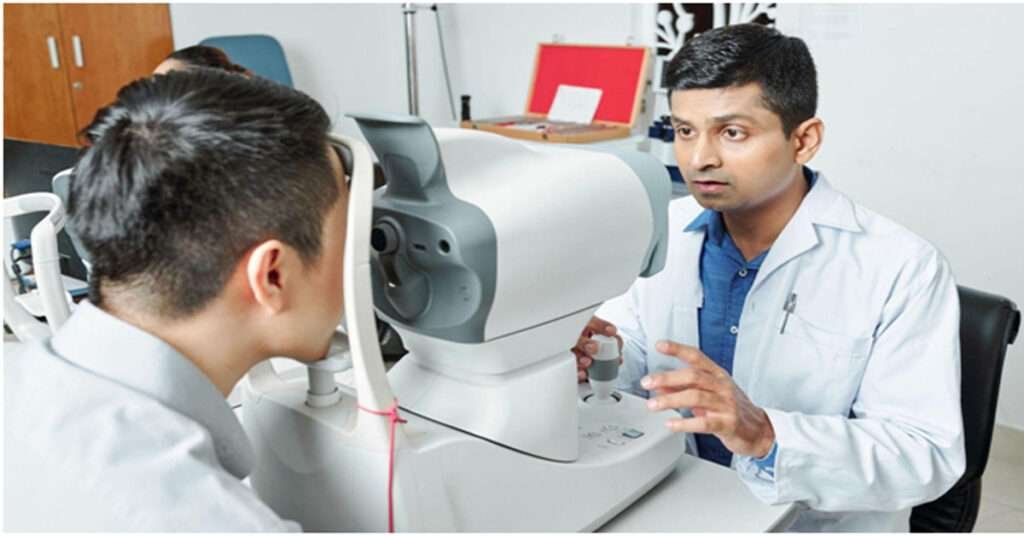
The eye specialist may analyze the state of the patient’s eyes to determine the cause of the problem and whether it needs regular checkup.
Things a Doctor Will Look for First
The effects of diabetes can lead to complications for small blood vessels in the retina of the eyes. These conditions develop without any signs. That is why it is very important to undergo an eye exam despite any good vision.
The eye examination can detect some blood, leaking blood vessels, swelling, or diabetic retinopathy.
Possible Causes of Blurry Vision
Blurry vision can have different causes. Diabetics’ blood glucose level can temporarily influence focusing in the eyes. The reason for the blurring vision can be cataract, swelling of the retina, or any other problem.
An eye specialist will be able to conduct an exam and establish the cause of the trouble. It is important because there are different treatment approaches for temporary blur and retinal problems.
Checking For Diabetic Retinopathy Progression
Diabetic retinopathy may remain stable without progressing but it may also advance unknowingly. Repeat visits will help to compare the findings of previous examinations.
If the problems with the retina remain stable then regular follow-ups will do. In case of changes, the patient will be invited for an appointment sooner.
Examining the Central Part of the Retina
Macula is situated in the middle of the retina and helps to read, recognize faces and see details. Diabetics may experience accumulation of fluid in the retina’s center.
It leads to a blurring, waviness and haziness of the central vision. The doctor will examine the macula and recommend additional tests if necessary.
Need for Treatment
There are many cases of developing early symptoms of diabetic retinopathy which does not necessarily need any treatment immediately. Usually, it is enough to observe the situation. But in case when symptoms start threatening your vision, the ophthalmologist will help to choose the best method of treatment for this patient in particular.
It can include injections into the eye, laser treatment or even surgery, depending on the degree of the problem. Eye surgeon participates in surgeries. The treatment is chosen depending on changes that took place inside the eye.
Symptoms Which Must Not Be Ignored
One must regularly undergo eye examination, but there are some symptoms which should be observed immediately. Appearance of floaters, flashes, dark spots, or blurring and sudden loss of vision should be immediately investigated.
They may happen because of different reasons, so they do not necessarily mean anything related to diabetes. In order to understand what caused the problem, one should go through an eye examination.
Conclusion
An ophthalmologist will be able to detect the retinal damage, find the cause of blurry vision, and monitor the changes. Having diabetes, one needs regular eye care even without any problems with vision.
Not every finding needs treatment. Some changes only need observation. What matters is knowing what is happening inside the eye and getting suitable care when a change appears.